


Description
Product Overview
The Routledge African Art Companion is a comprehensive Kindle eBook that brings together scholarly research, vivid imagery, and accessible design in a single digital volume. Spanning 521 pages, the text offers an in‑depth visual survey of African artistic traditions from ancient rock art to contemporary installations, illustrating the continent’s diverse cultural expressions. Each chapter is organized by geographic region, thematic motif, and historical period, allowing readers to navigate seamlessly between West African masks, North African textiles, East African sculpture, and Southern African performance art. High‑resolution images are rendered with enhanced typesetting and Word Wise support, ensuring that visual details remain crisp on any Kindle device or compatible app. The eBook file size of 9.9 MB balances image quality with fast download speeds, making it practical for both Wi‑Fi and cellular connections. Accessibility features such as screen reader compatibility and adjustable font sizes broaden the audience to include visually impaired scholars and students. The compilation draws upon recent fieldwork conducted by leading scholars, incorporating case studies from museums, galleries, and community collections across sub‑Saharan Africa, North Africa, and the diaspora. Each image is accompanied by concise captions that identify the artist, provenance, medium, and cultural context, enabling readers to develop a nuanced understanding of each work’s significance. The text also integrates comparative analyses that juxtapose traditional motifs with contemporary reinterpretations, highlighting the dynamic evolution of African visual culture over time. Readers will encounter discussions of symbolism, materiality, and ritual function, providing a holistic perspective that bridges aesthetic appreciation with anthropological insight. The eBook’s layout employs a two‑column format that mirrors print editions while taking advantage of digital flexibility, allowing users to adjust column width, line spacing, and margin settings to suit personal reading preferences. The visual narrative is organized chronologically, beginning with prehistoric rock engravings from the Sahara and progressing through the rise of great kingdoms such as Mali, Benin, and Great Zimbabwe, each illustrated with high‑definition photographs that capture texture, color, and scale. Later chapters examine the impact of colonial encounters on artistic production, highlighting how African artists negotiated identity, resistance, and hybridity in mediums ranging from textiles to sculpture. The final sections explore contemporary diaspora creators who reinterpret traditional motifs through digital media, performance, and installation, illustrating the ongoing dialogue between heritage and modernity. The authors employed a multidisciplinary approach, combining art historical analysis with ethnographic field notes, to contextualize each artwork within its sociopolitical environment. Primary sources include photographs taken during excavations, museum acquisition records, and oral histories collected from community elders, ensuring a rich tapestry of perspectives. The eBook’s metadata tags each image with searchable keywords such as region, material, and iconography, facilitating advanced research queries and cross‑referencing across the digital library. Supplementary appendices provide glossaries of indigenous terms, timelines of artistic movements, and a bibliography of over 200 scholarly sources, supporting deeper investigation beyond the main text. All content adheres to the Chicago Manual of Style for citations, allowing seamless integration into academic papers and research proposals. The eBook also incorporates a comprehensive index that lists over 1,200 entries, including artist names, cultural terms, and thematic categories, enabling rapid navigation to specific topics of interest. Readers can benefit from the integrated cross‑reference system, which links related entries throughout the text, fostering a deeper understanding of how artistic traditions intersect across regions and periods. The digital format also allows for future enhancements, such as the addition of video interviews with artists and curators, which can be delivered through OTA updates without requiring a new purchase.
![[Product front view showing all components]](https://www.summitgo.store/wp-content/uploads/2026/06/baacc87bcc9b4f4d9c8eab1f56f83b0b.jpg)
Usage
Educators can assign chapters as required reading for undergraduate courses in African art history, anthropology, or museum studies, providing a reliable digital reference that can be accessed on multiple devices simultaneously. Students benefit from the searchable text and X‑Ray functionality, which quickly locate specific artists, terms, or visual motifs across the extensive catalog. Researchers conducting comparative analyses can export citations directly from the Kindle platform, streamlining bibliography creation for journal articles or conference presentations. The ability to annotate passages and highlight passages in real time supports critical reading and note‑taking without the need for separate notebooks. Because the license permits up to four simultaneous device usage, study groups can share the resource across laptops, tablets, and e‑readers, fostering collaborative discussion. In addition to formal academic settings, the eBook serves as an invaluable resource for museum curators preparing exhibition catalogs, as it provides ready‑to‑cite visual references and concise scholarly commentary. Independent artists exploring African motifs can draw inspiration from the documented techniques and historical narratives, ensuring respectful and informed incorporation of cultural elements into contemporary practice. Librarians seeking to expand digital collections will appreciate the eBook’s compliance with DRM standards and its ability to integrate with institutional authentication systems for seamless patron access. The file’s modest size also ensures that it can be cached on devices with limited storage, a crucial factor for users in regions with intermittent internet connectivity. Graduate seminars can assign specific image sets for comparative analysis, prompting students to develop critical essays that reference both visual and textual components of the eBook. Museum educators can use the eBook as a virtual docent tool, guiding visitors through curated tours that align with physical exhibition spaces, thereby enriching the onsite experience. The platform’s annotation export feature allows curators to compile visitor comments into a collective feedback report, informing future exhibition planning and community outreach initiatives. For remote learners, the eBook’s offline reading mode ensures uninterrupted access to the full text and images after a single download, supporting study in areas with limited bandwidth. Instructors can embed selected pages into learning management systems using Kindle’s share feature, creating interactive assignments that prompt students to analyze visual elements directly within the platform. The eBook’s built‑in dictionary automatically defines specialized terminology, reducing the need for external reference checks and accelerating the learning curve for newcomers to African art studies. Because the Kindle platform tracks reading progress, educators can monitor student engagement through reading statistics, enabling data‑driven interventions to improve comprehension.
Why Choose Us
Routledge is a globally recognized academic publisher with a long history of producing rigorous scholarship in the visual arts, ensuring that every page meets peer‑reviewed standards. The African Art Companion belongs to the Routledge Art History and Visual Studies Companions series, a curated collection that guarantees consistency in citation style, editorial quality, and scholarly depth. All images have been cleared for digital distribution, providing legal assurance that educators and institutions can incorporate the material into curricula without copyright concerns. The eBook’s enhanced typesetting and Word Wise features improve readability on small screens, while the built‑in dictionary and translation tools aid non‑native English speakers. Customer support is available through Routledge’s dedicated academic services team, offering assistance with access issues, citation queries, and bulk licensing for libraries. Routledge’s editorial team collaborates closely with subject matter experts, guaranteeing that the content reflects the latest research findings and theoretical frameworks within African art studies. The publication process includes rigorous fact‑checking, image verification, and peer review, which collectively minimize errors and enhance the credibility of the final product. Customers benefit from Routledge’s commitment to ongoing updates; future editions will incorporate newly discovered artworks and emerging scholarship, ensuring the eBook remains a living resource. The publisher also offers institutional licensing options that provide bulk access at discounted rates, making it feasible for universities and cultural organizations to equip entire departments with this essential reference. Routledge’s global distribution network ensures that the eBook is available in over 150 countries, providing consistent access for international scholars and institutions. The publisher’s commitment to sustainability aligns with the growing demand for eco‑friendly educational resources, as digital formats eliminate the need for paper‑based textbooks. Technical support is available 24/7 via email and live chat, ensuring that any access or formatting issues are resolved promptly to minimize disruption to learning activities. Routledge’s partnership with leading academic libraries ensures that the eBook is indexed in major discovery services, increasing its visibility to researchers worldwide. The publisher’s rigorous peer‑review process involves at least three independent reviewers, guaranteeing that each chapter meets the highest standards of scholarly integrity and originality. In addition, Routledge provides a detailed errata log that is updated quarterly, allowing institutions to maintain accurate records and correct any inadvertent discrepancies promptly.
Key Features
- Over 500 high‑resolution images that bring African artworks to life on any screen.
- Searchable text and X‑Ray functionality for fast location of artists, terms, and motifs.
- Screen‑reader compatibility and adjustable fonts for inclusive reading experiences.
- Simultaneous access on up to four devices, perfect for classrooms and study groups.
- Dedicated Routledge support and regular updates to keep content current.
FAQ
Can I read the eBook on non‑Kindle devices?
The Kindle app is available for iOS, Android, Windows, and macOS, allowing you to open the eBook on smartphones, tablets, and computers. The file format is compatible with all supported apps, so you can enjoy the same features regardless of the device you choose.
How many devices can I use simultaneously?
The license permits up to four devices to access the eBook at the same time. This flexibility is ideal for study groups, families, or classroom settings where multiple users need concurrent access without purchasing additional copies.
Is there a printable version available?
Due to DRM protection and the publisher’s policy, a printable PDF version is not provided. However, you can use the Kindle app’s built‑in screenshot function to capture individual pages for personal reference, respecting copyright guidelines.
What accessibility features are included?
The eBook supports screen readers, adjustable font sizes, high‑contrast mode, and Word Wise, which provides simplified definitions for complex terms. These features ensure that readers with visual impairments or learning differences can navigate the content comfortably.
Can I export citations directly from the eBook?
Yes, the Kindle platform includes a citation export tool that generates formatted references in Chicago, MLA, and APA styles. By selecting the desired passage and choosing the export option, you can quickly insert accurate citations into your bibliography.





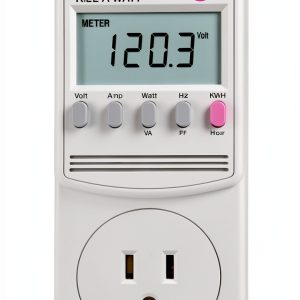 Kill-A-Watt P3 International Usage Monitor 10.1" LCD 0.2% Accuracy
  3-Pack P3 P4400 Kill A Watt Electricity Usage Monitor
Reviews
There are no reviews yet.